Ceramics of Spain
K&L Library & Museum
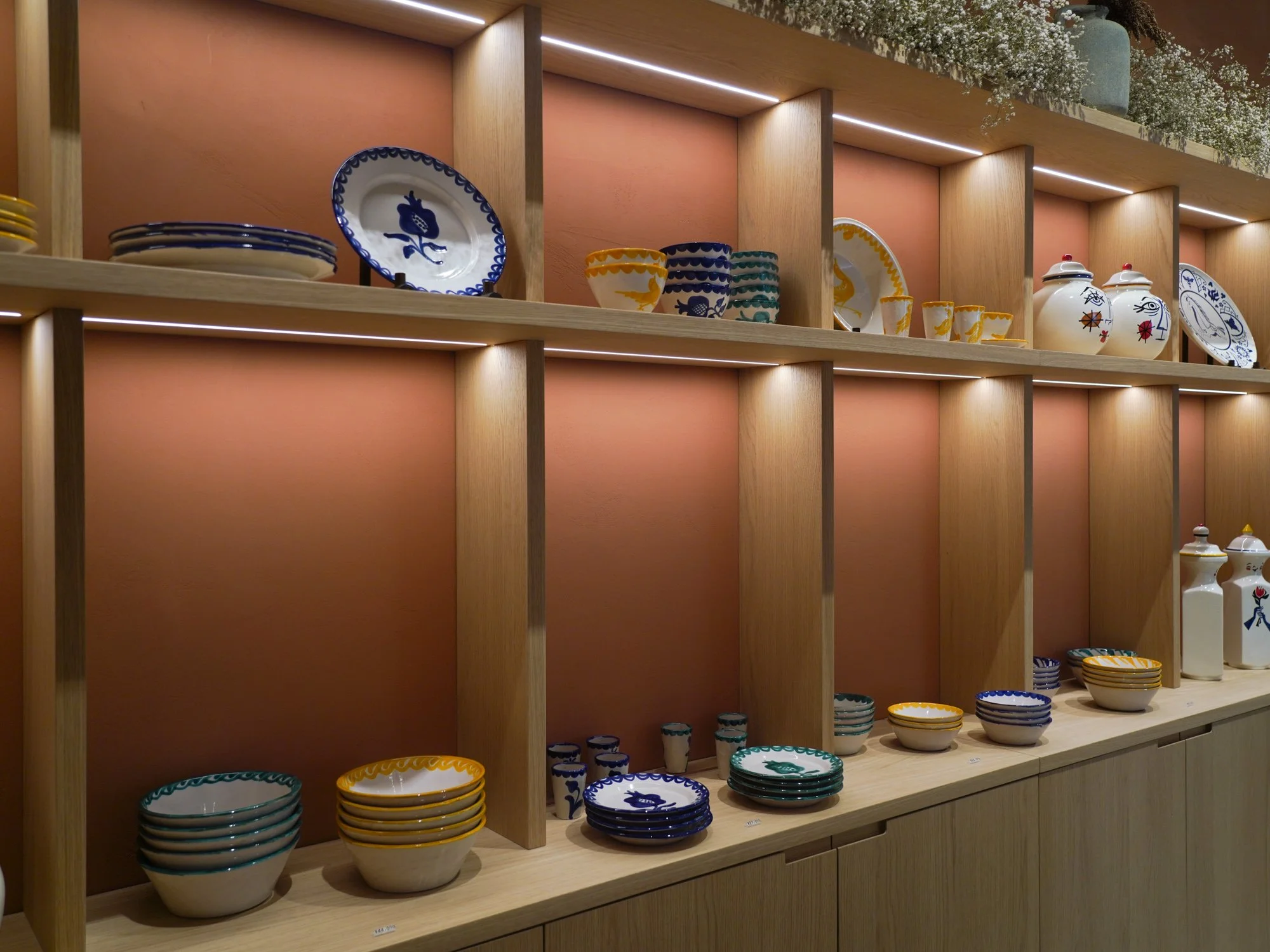
In this unique showcase of Spanish craft, four of the most renowned ceramic studios in Spain come together to introduce the art of Spanish ceramics to the Korean audience. Opening on October 23rd, 2025, a very special collaboration with ceramic experts La Oficial will bring exclusive pieces from every corner of Spain to fill the Ceramics Room at K&L Library.
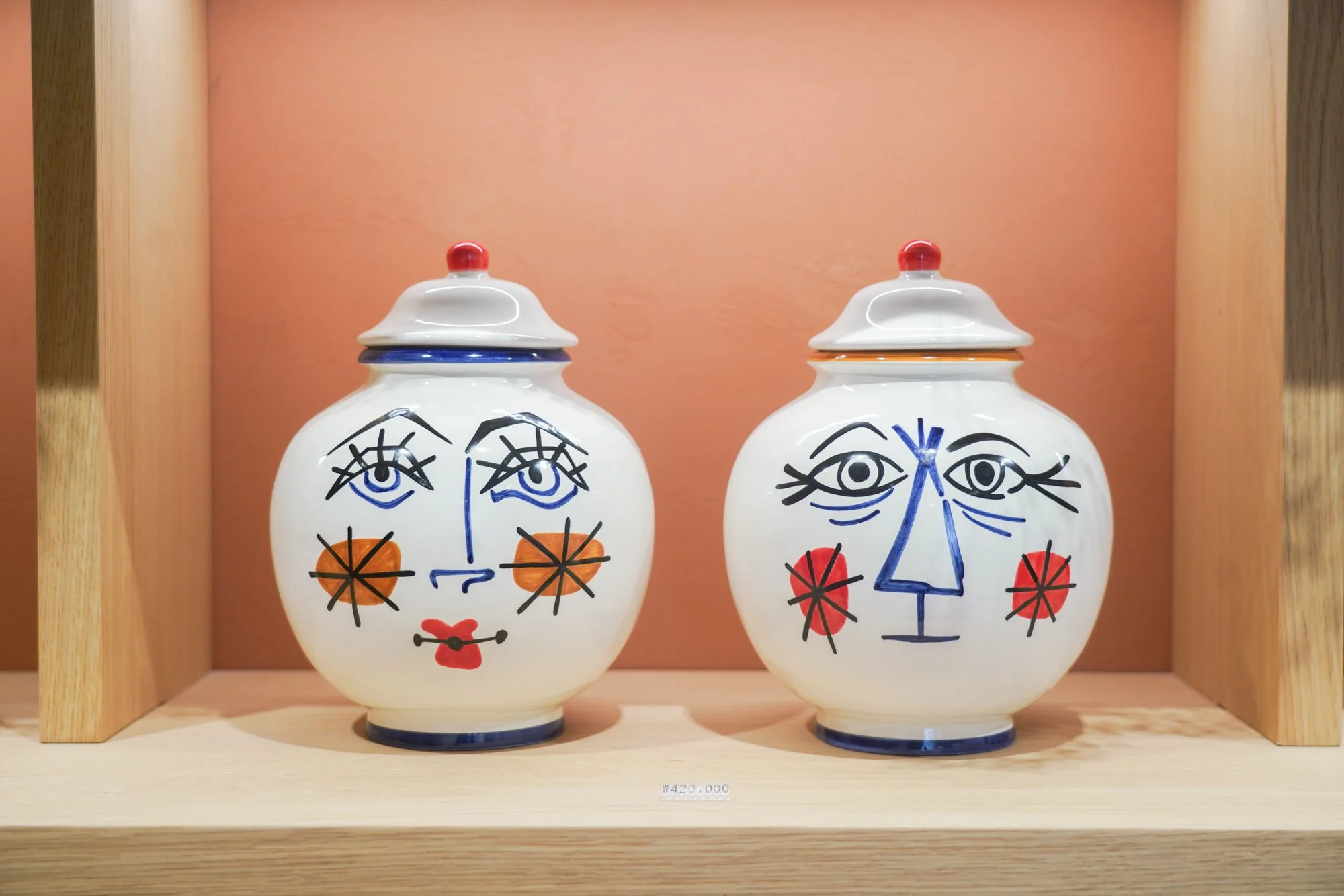
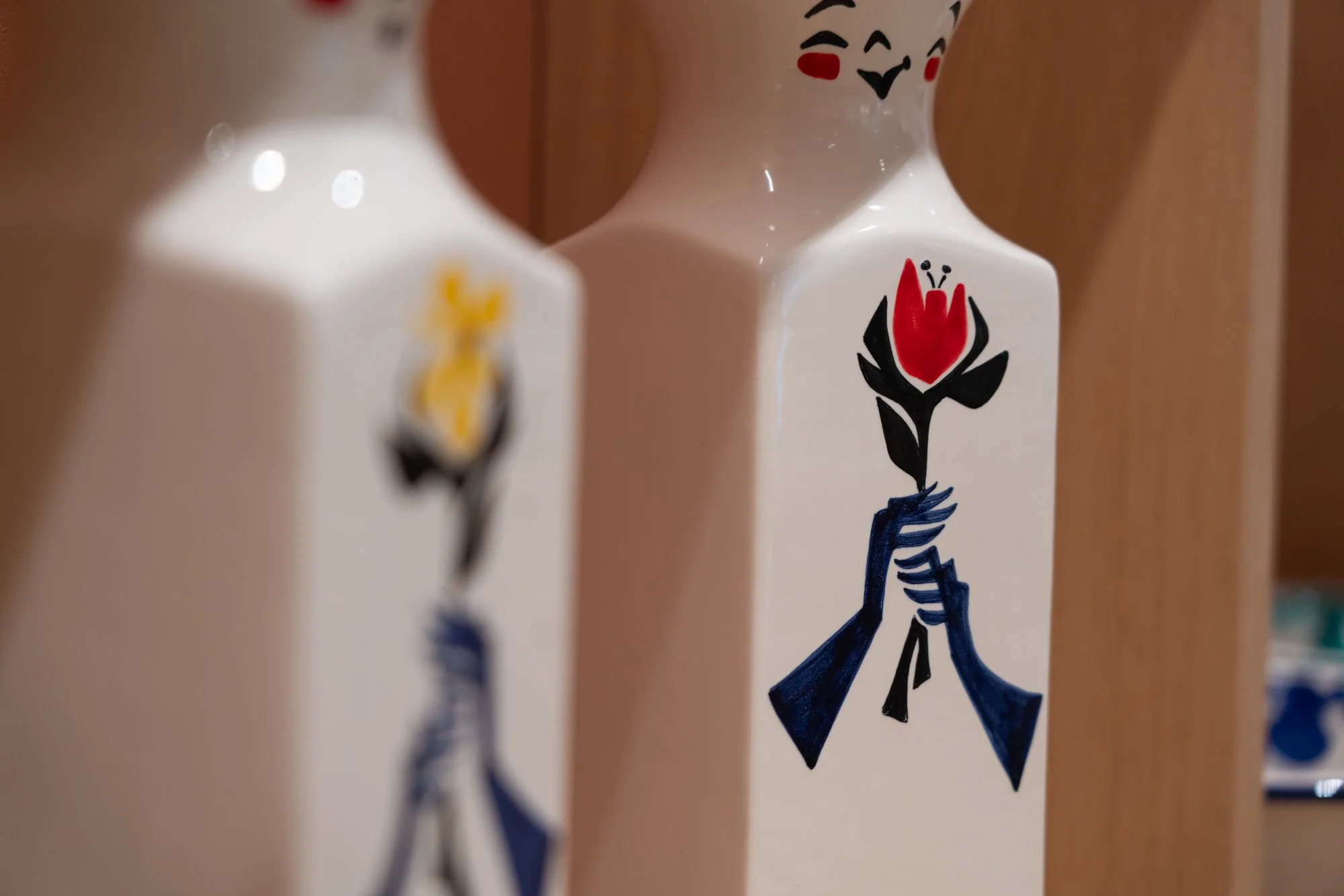
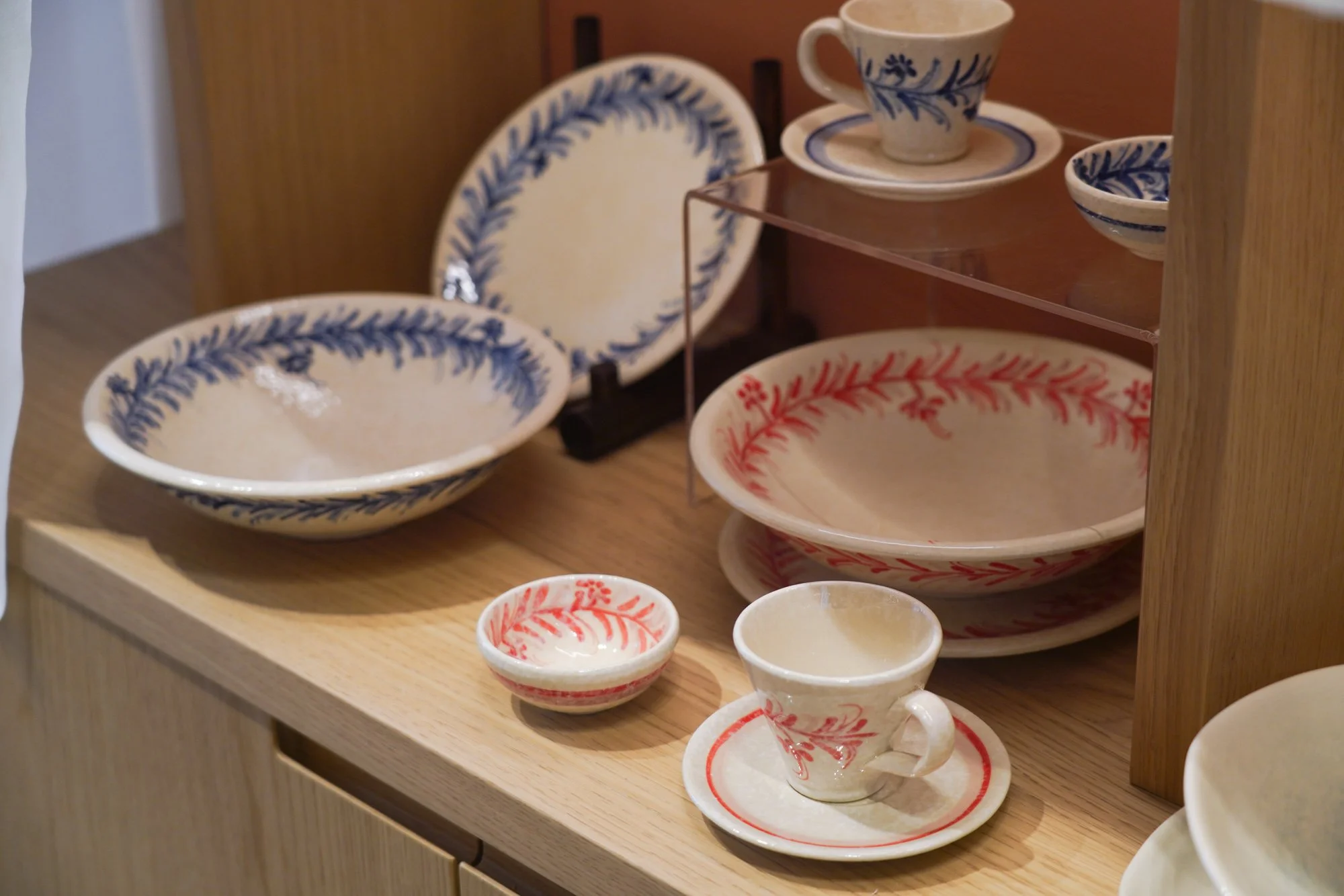
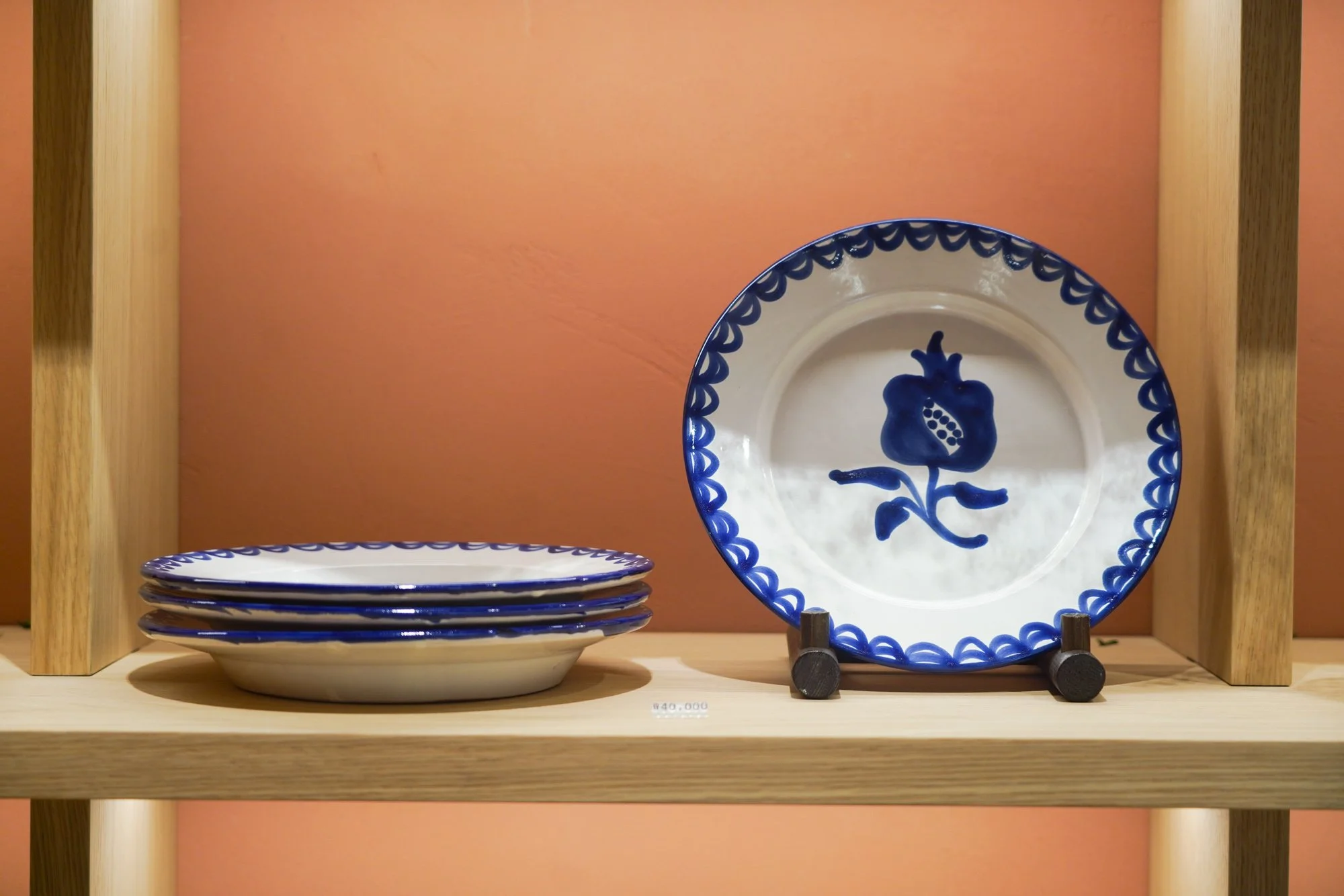
From small plates, salad bowls, and coffee mugs to limited-edition artworks, all are hand-painted and crafted by artisans whose studios carry centuries-old pottery traditions, bringing to life the richness and diversity of Spanish culture.
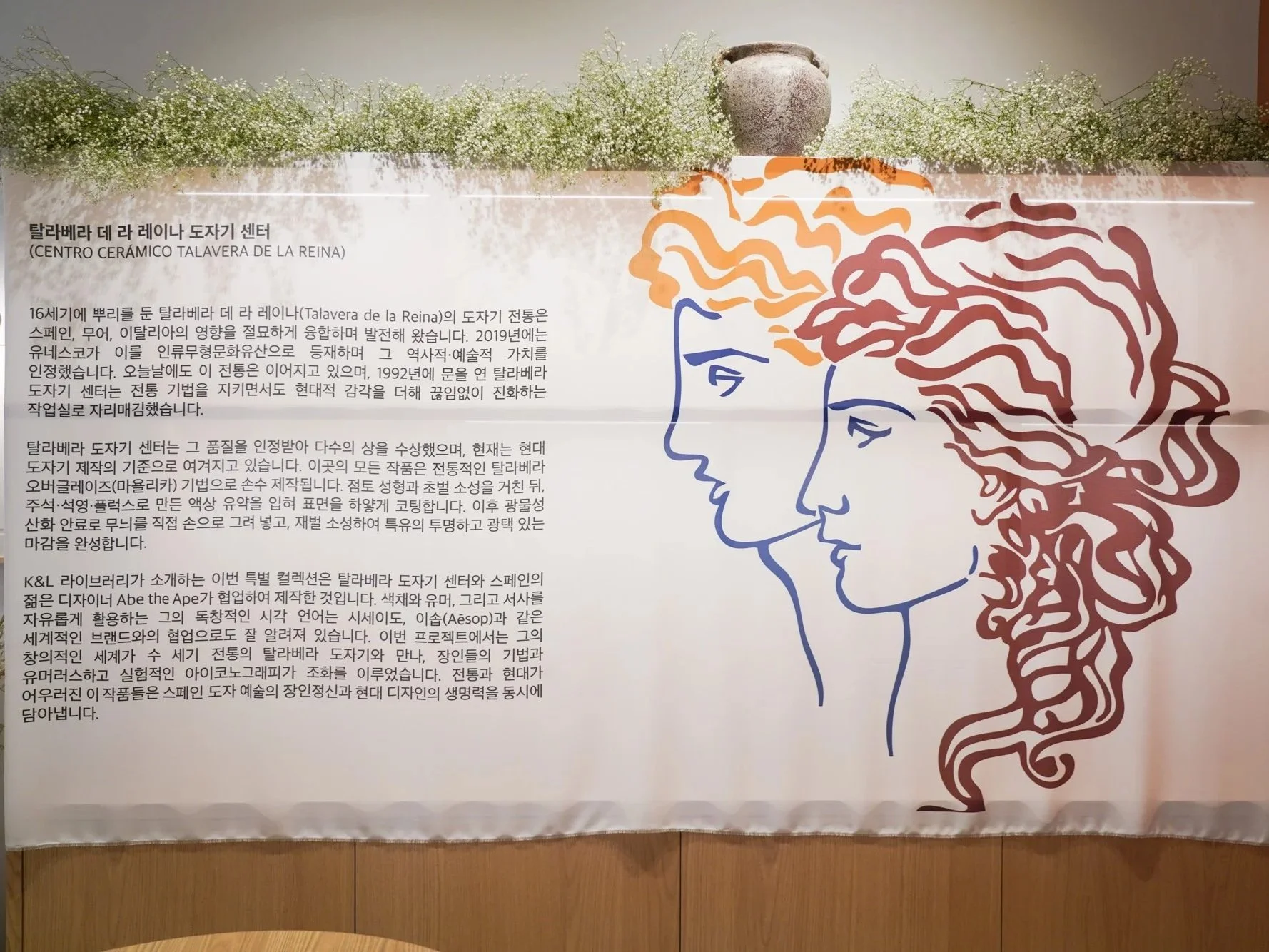
Originating in the 16th century, Talavera de la Reina’s tradition in ceramic-making blends Spanish, Moorish, and Italian influences. In 2019, UNESCO recognized it as Intangible Cultural Heritage, highlighting its historical and artistic significance. The tradition continues today, preserving centuries-old techniques through contemporary studios like Centro Cerámico de Talavera, a workshop in continuous evolution to bring innovation and tradition together since it first opened in 1992.
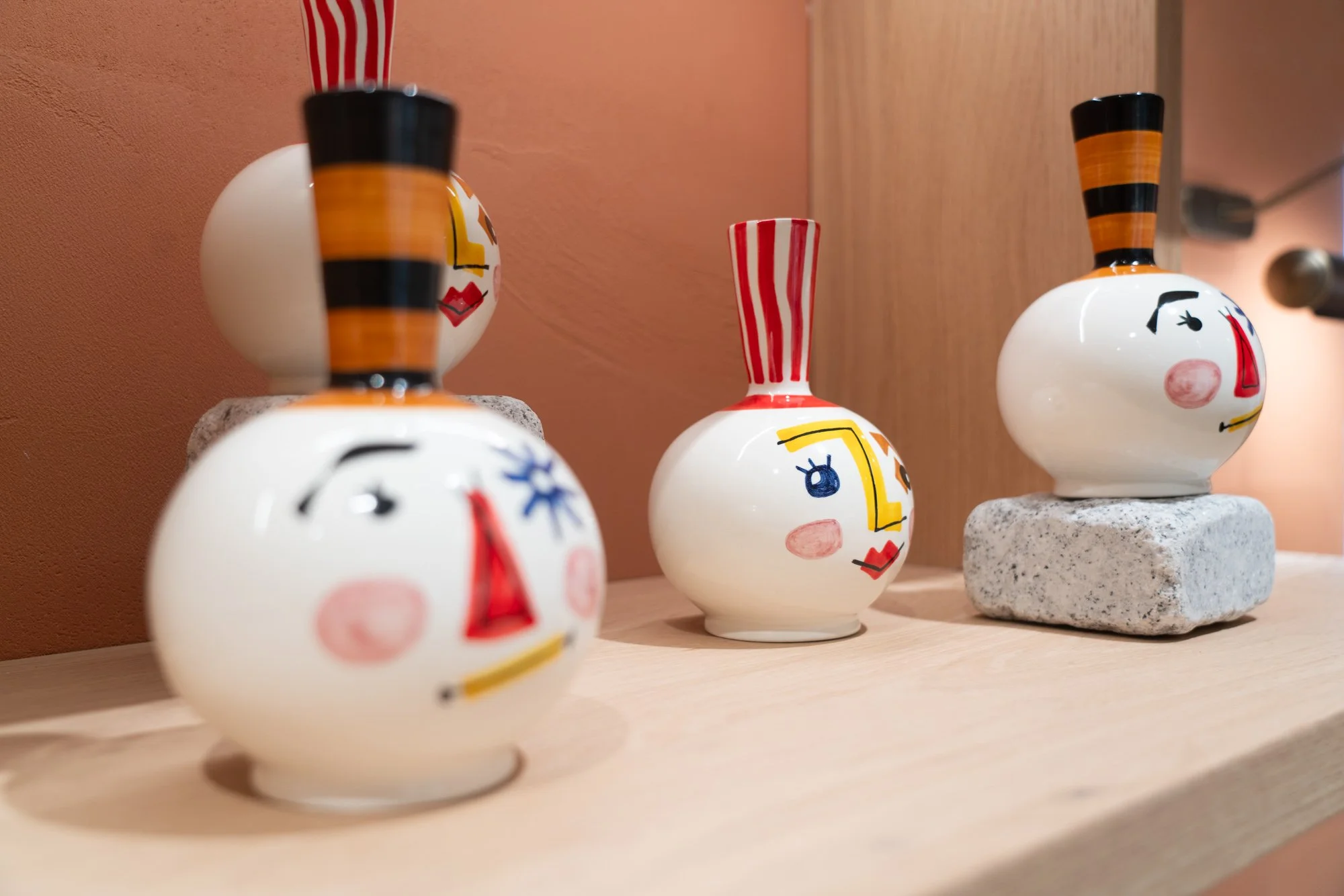
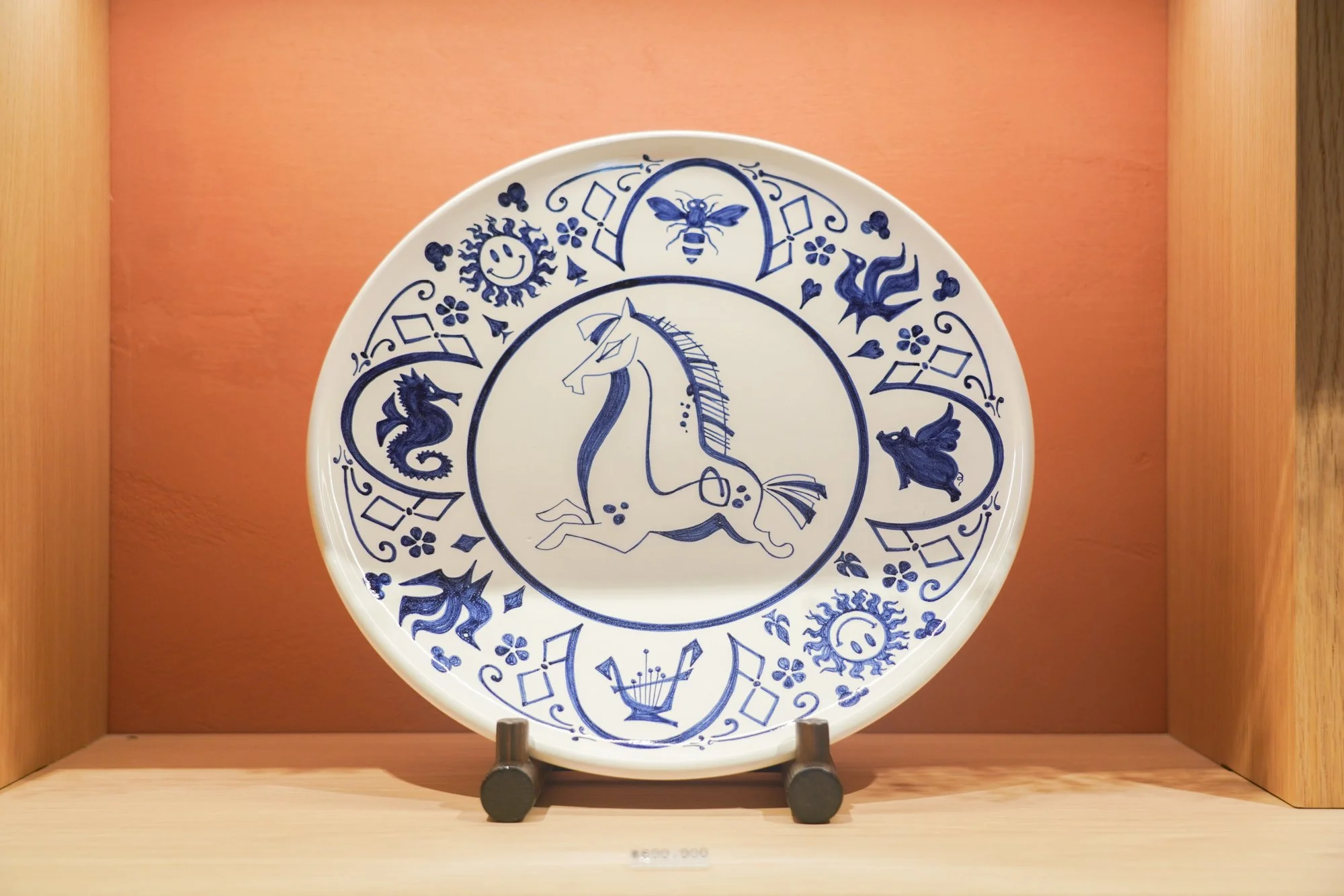
In this project, the creative universe of renowned designer Abe the Ape meets the centuries-old tradition of Talavera de la Reina ceramics. Together, they have produced a series of ceramic pieces that merge heritage with contemporary aesthetics: traditional forms and artisanal techniques reimagined through Abe the Ape’s playful and unconventional iconography. The result is a collection that celebrates both the mastery of Talavera’s artisans and the fresh, innovative spirit of one of Spain’s most distinctive designers.
Pottery and ceramics from La Rambla, a small town in Córdoba, Andalusia, carry with them echoes of ancient times. Though their origins may be traced as far back as the Bronze Age, it was during Arab rule (and later, after the Christian reconquest) that the craft truly took root. The earliest written reference dates to 1460, when a humble jug maker named Miguel Ruiz was recorded, marking the beginning of a tradition that would weave itself into the life and identity of the town.
Iván Ros comes from a family that has been tied to pottery for over five generations. What sets him apart is his ability to adapt traditional techniques to modern uses, honoring heritage while elevating his pieces to near works of art. This distinctive vision has caught the attention of the luxury world: Dior and Loewe have entrusted Iván Ros with collaborations for their home collections, a recognition that places his craft on the global stage. Through these partnerships, his ceramics not only preserve Andalusian heritage but also redefine it as a symbol of sophistication and timeless design.
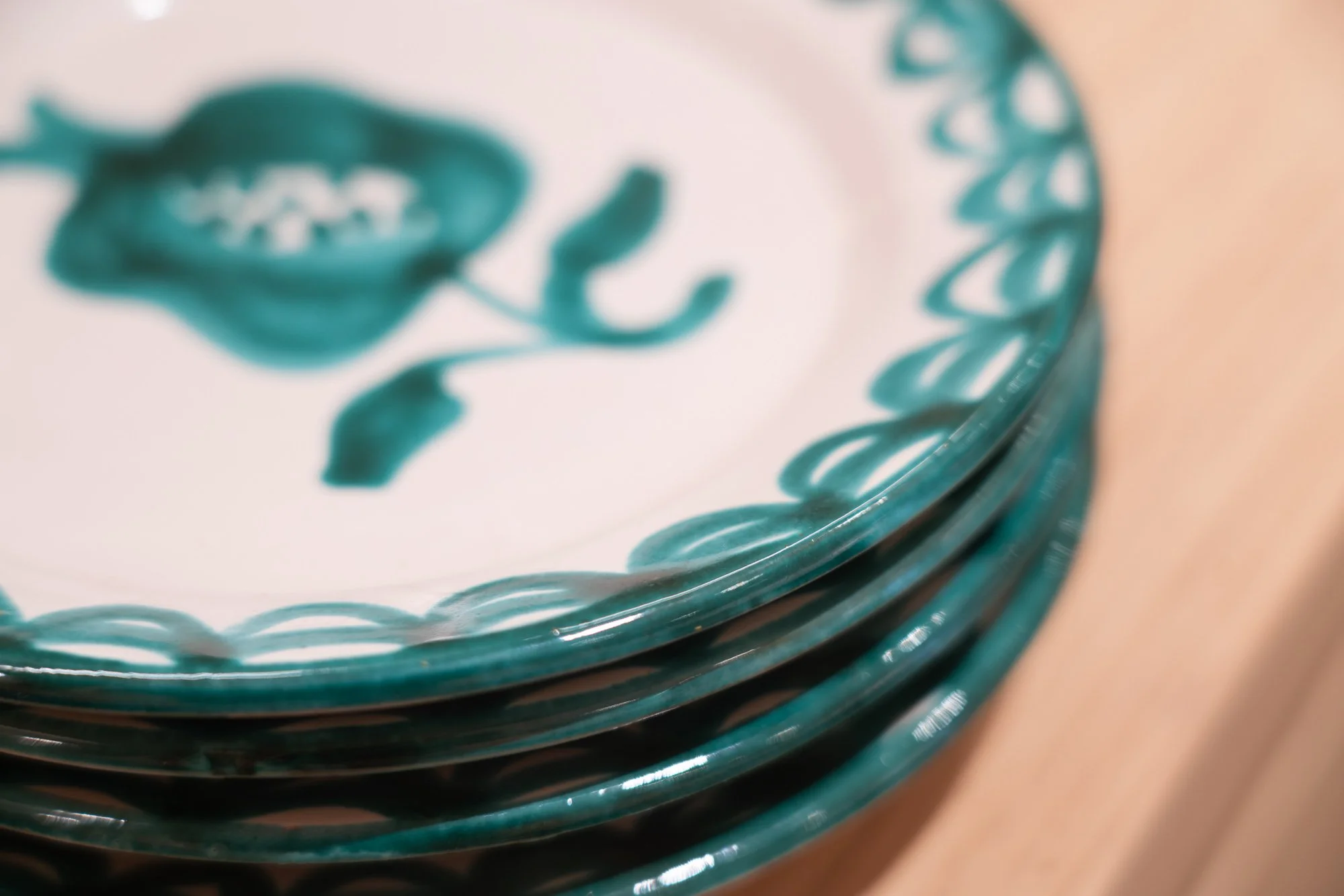
Another unique example of Andalusian craft is the ceramics factory of Fajalauza, one of the most emblematic workshops in Granada, founded in 1517 and passed down from father to son for over five centuries. Located in the historic Fajalauza neighborhood, it stands as a living testament to the city’s Nasrid legacy. Its last owner, Cecilio Morales Moreno, who taught ceramics for 34 years at the Granada School of Applied Arts, combined his academic knowledge with inherited artisanal traditions to keep this craft alive.Fajalauza ceramics are distinguished by their white glazed background and the use of cobalt blue and copper green, often enriched with floral, bird, and heraldic motifs. These pieces reflect the deep influence of Andalusí decorative art, visible in monuments such as the Patio de los Arrayanes at the Alhambra.
Travelling all the way north to the Catalan region, La Bisbal d’Empordà is one of Spain’s most important and renowned ceramic centers, heir to a tradition dating back to the 16th century. Its history has been shaped by generations of artisans who, almost like alchemists, have transformed clay into utilitarian, artistic, and decorative pieces.
During the 19th century, La Bisbal ceramics experienced its golden age, with production exported even to Spain’s overseas colonies. In the 20th century, industry modernized, yet its artisanal essence endured, adapting to new times, the rise of tourism, and the growing interest in collecting. Today, La Bisbal is distinguished by the diversity of its production: from traditional pottery to decorativeceramics and construction materials. The town’s streets, .
marked by the silhouettes of old industrial chimneys, still breathe this deep connection to the craft.
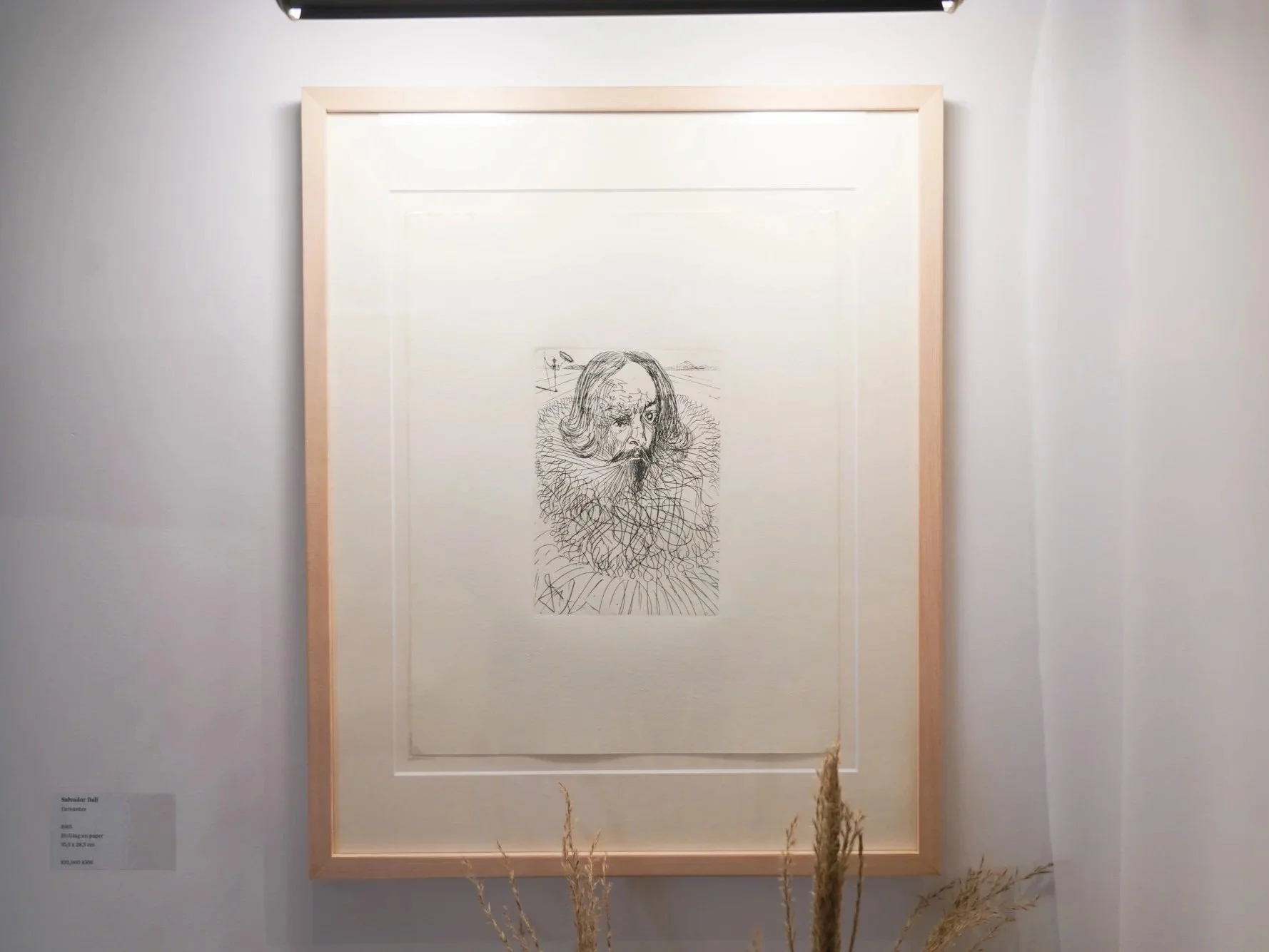
To enhance the experience of discovering the significance of these ceramic studios, limited-edition prints by Spanish masters Francisco de Goya (1746-1828) and Salvador Dalí, directly arrived from therenowned Taller del Prado in Madrid.
Both Dalí, with his lithographs dedicated to “Don Quijote” and its creator, and Goya, through his famous “Caprichos”, in which he depicts a profound social critique of 18th and 19th -century Spain, evoke the birth and evolution of modern Spain. Together with the ceramic works, they offer visitors a cross-cultural journey into the richness of Spanish cultural heritage.
Ceramics of Spain is a uniquely curated showcase where the Korean audience can, for the first time, encounter and engage in dialogue with the centuries-old artistry of the many traditions and identities that shape the Spanish character in the 21st century.
© K&L Library & K&L Museum. Gwacheon, South Korea 2025