Moving between graphic design and artistic practice, Saerom explores how images acquire meaning and what gives a work of art its intention. Based in Seoul, the artist sat down with us to reflect on the influence of internet culture, the possibilities and limitations of AI, and how participation and collaboration can open up new ways of experiencing art.
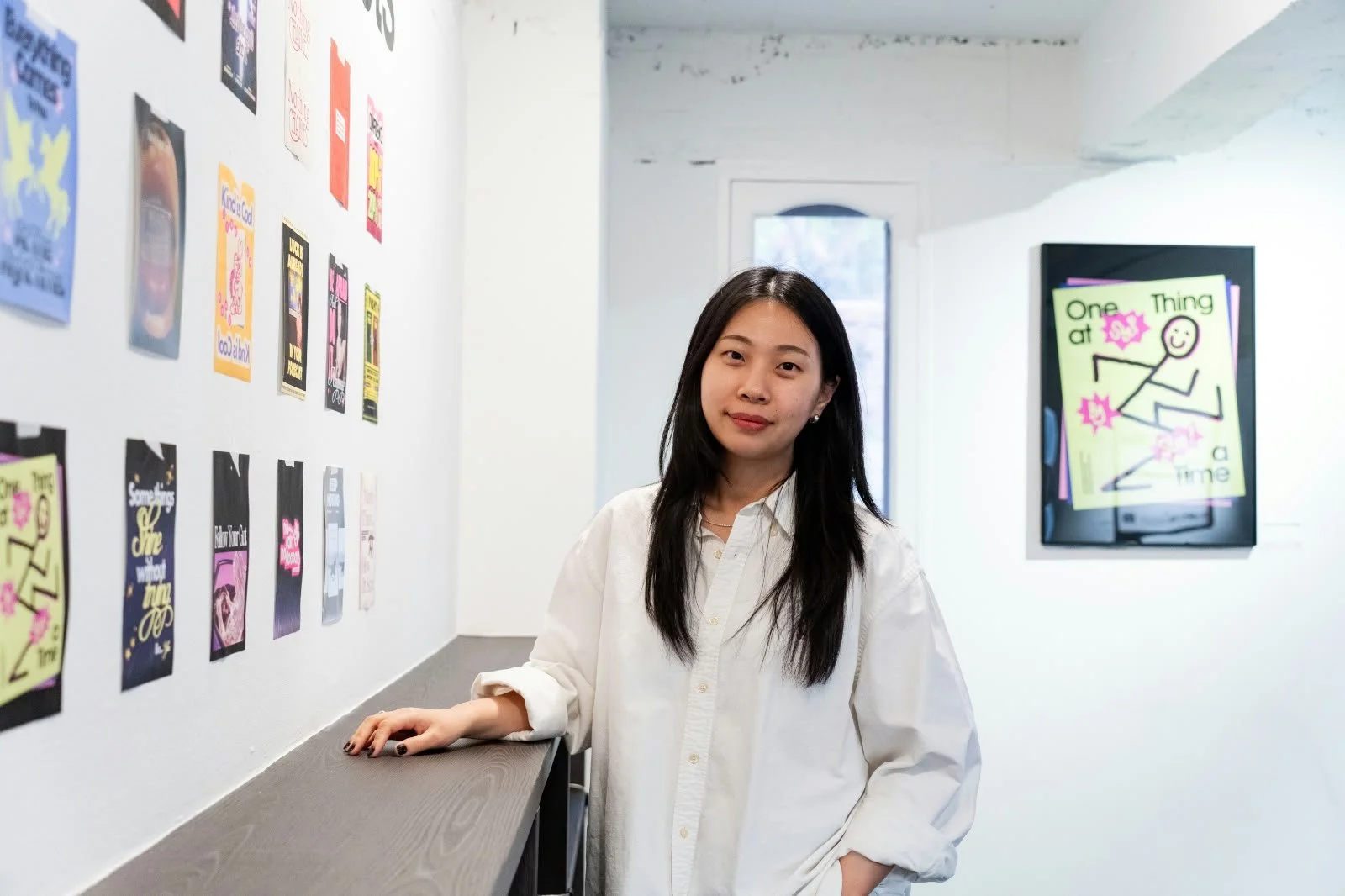
© Picture by Mike Yang. Saerom Yoo, 2026. Courtesy of the artist.
INFLUENCES
You have a background in commercial graphic design and art direction. How has your experience working with brands influenced your approach to making art?
I think the biggest difference is the intention behind the work. As a commercial designer, I cannot make every decision based purely on artistic reasons. I have to consider the marketing team, the product team, the budget, and what the client wants.
As an artist, my own philosophy becomes much more important. I have more freedom to follow my ideas and decide what I want to communicate. I still want to make something visually appealing, but I can make decisions based on my own intentions.
Do you think your experience in commercial design is a strength as you develop your artistic practice?
I think so. I am still quite new to working as an artist, but the skills I have developed through graphic design are important. I have learned how to combine different elements, communicate visually, and create something people can understand and connect with.
I also think making things is about developing different skills and finding ways to combine them. You do not have to be an expert at everything. You can bring together elements from different fields and create something of your own.
I think about K-pop in a similar way. It combines influences from different cultures and genres, such as pop, hip-hop, and rap, to create something distinctive.
It is also important to be resourceful. When I organized my exhibition, for example, I used the printer in my building for some materials and reserved professional printing for the pieces that needed higher quality. You have to find ways to make things work with the resources you have.
Do you find that the things that inspire you as a graphic designer are different from those that inspire you as an artist?
No, I think inspiration is just a feeling for me. I do not really separate it into different categories. Everything comes together.
I am especially interested in the idea of collecting inspiration. There is a Japanese author, Haruki Murakami, who talks about having a cabinet in your mind: you put different inspirations into it, and whenever you need them, you can open it and take something out. I think that makes a lot of sense.
PROCESSES
AI is changing how images are produced. How has it affected your creative process, and what role does artistic intention play in your work?
For me, the process starts with the idea of what I want to communicate. In commercial projects, for example, I might develop a concept and use AI to produce images that fit the atmosphere I have in mind. I then make decisions about the composition, colors, and final details.
Before AI, I would work with photographers, stylists, and other people to bring a concept to life. Now, I can produce some images more quickly, but the intention and art direction still come from me. AI changes how I produce the work, but it does not replace the thinking behind it.
There is an ongoing discussion about whether work made with digital tools or AI should be considered art. How do you approach this question?
I think it depends on how you use the tools. I know a Korean painter who finds images online, combines them, prints them, and transfers them onto a canvas before working on the image himself. I find that interesting because he is still managing the process, bringing his own perspective to the work, and deciding how the different elements come together.
For me, the important thing is not necessarily which tool you use, but the idea behind the work and how you bring it together. I also think there is a difference between using a tool to make something and communicating with people through the finished work. I want to keep that human connection at the center of my practice.
Your work draws inspiration from internet culture, memes, and everyday experiences. What interests you about these subjects?
The internet and social media have a big influence on our everyday lives. Sometimes the content we encounter can have a negative effect on us, especially when we spend a lot of time scrolling. I wanted to take something from that environment and turn it into something positive. Memes and online content are already part of our everyday lives, so I find it interesting to use them as a starting point for making work that can connect with people.
CONNECTIONS
You have also expressed an interest in making art collaboratively. How would you approach a project in which other people contribute to the work?
I think it could be interesting to make a poster together with a group of people. Everyone could contribute ideas, drawings, or concepts, and I could bring the different elements together using my graphic design skills.
But I think it would be important to have some guidelines. If everyone has complete freedom, it might become difficult to combine the contributions into one coherent image. I would want to give people enough freedom to express themselves while making sure the work still has a clear direction.
What interests you about involving people in the process of making art?
I want to be around people who are interested in my work, communicate with them, and make something together. When I organize a workshop or an exhibition, I want to share the process, not just the finished result.
I think this can make art more accessible. People can feel that they are part of the work rather than simply looking at something that has already been completed.
You have presented your work through exhibitions, workshops, and independent publishing. What were the most notable challenges you faced when preparing for those?
One of the biggest challenges is getting people to come. When I organized my exhibition and workshop, I knew what I wanted to do and how to prepare everything, but I could not control how many people would attend.
When I published a small book called Noise Collection, I did it independently and sold it through around 20 bookstores in Korea and in London, but it was difficult to reach a wider audience because I was doing everything myself. If I publish another book, I would like to work with a publisher.
These experiences have made me think about how to share my work with more people. I want to communicate with people who are interested in what I do, share the process, and explore ways of making art together. For me, reaching an audience is not only about showing the finished work, but also about creating opportunities for people to engage with it.
EVOLUTION
You are interested in working internationally and presenting your work in different contexts. What would you like to explore through these experiences?
I want to experience different environments and understand how people live and think in different places. In Seoul, for example, life is very busy and people are often stressed. If I went to Germany, for example, I would be interested in understanding the environment there and how people experience everyday life.
I would like to interview people and make posters based on their experiences. The idea is still developing, but I think it would be interesting to explore different situations and perspectives through conversations and creative work.
I also want to share the process and, where possible, make things together with people. That would be a meaningful part of the experience for me.
As you continue developing your artistic practice, what would you like to explore next?
I want to keep making work, showing it to people, and experimenting with different approaches. My first exhibition, workshop, and interview were all new experiences for me.
I think I need to continue making things, trying different approaches, and learning from those experiences. Everything is still new, and I want to see where the process takes me.
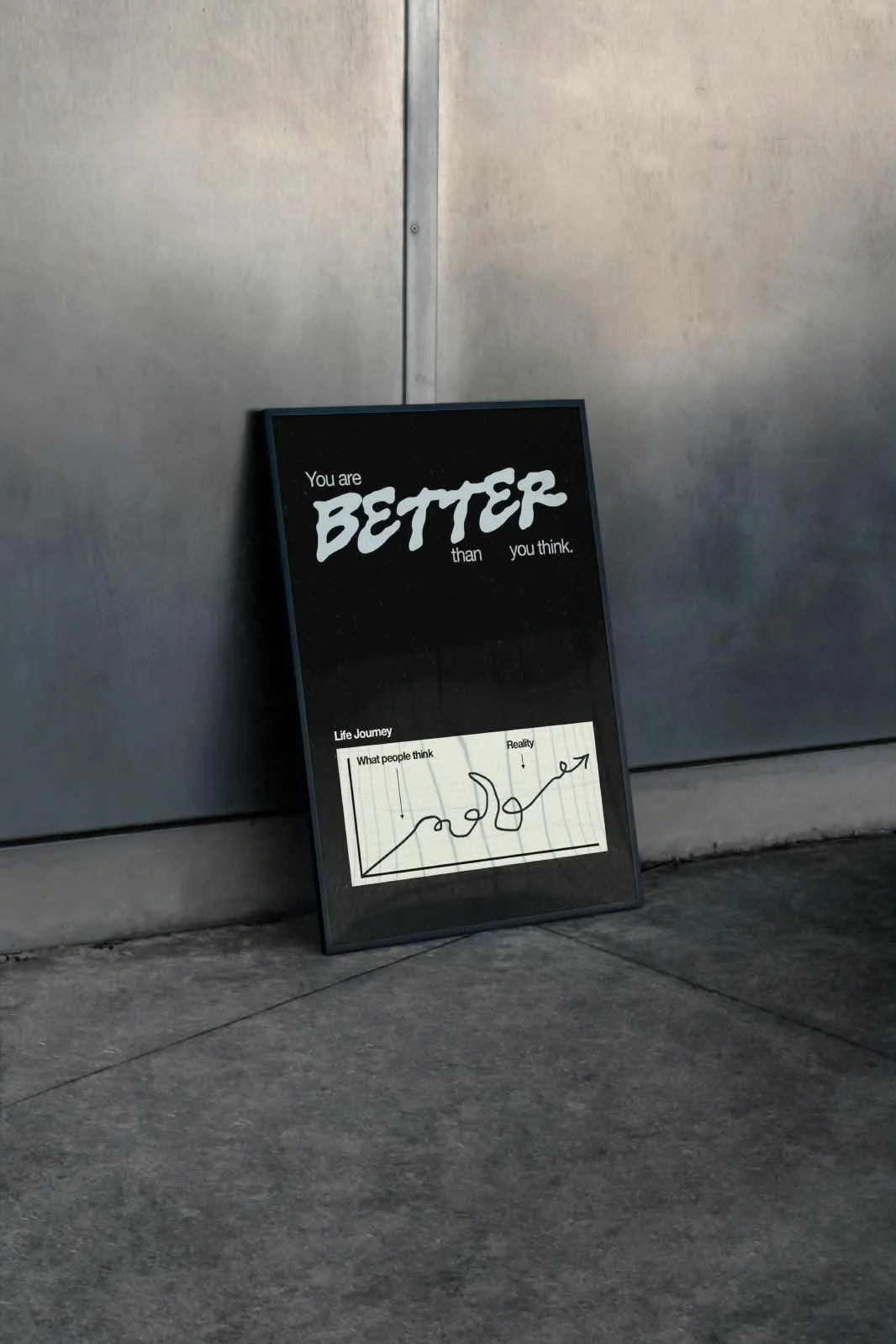
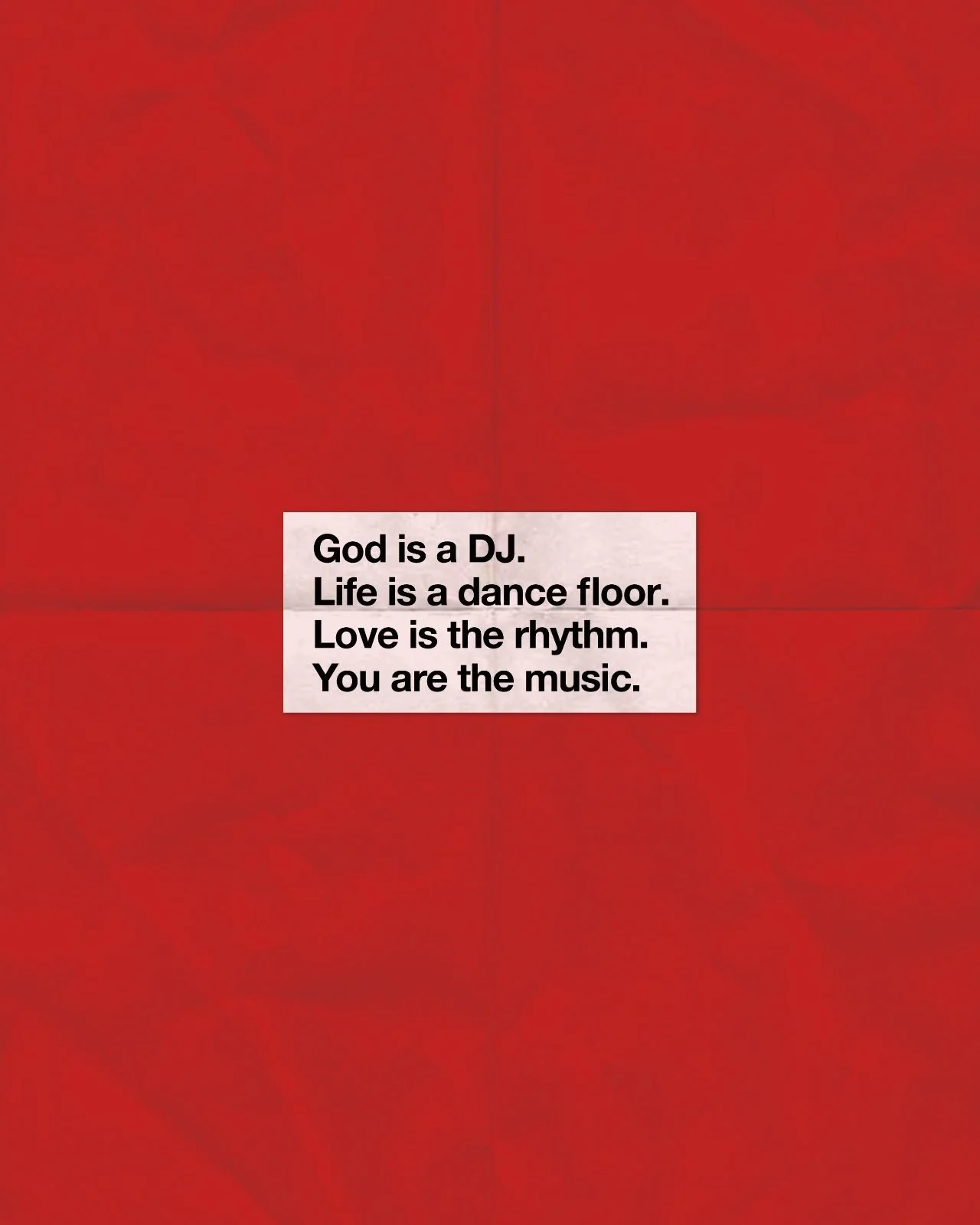
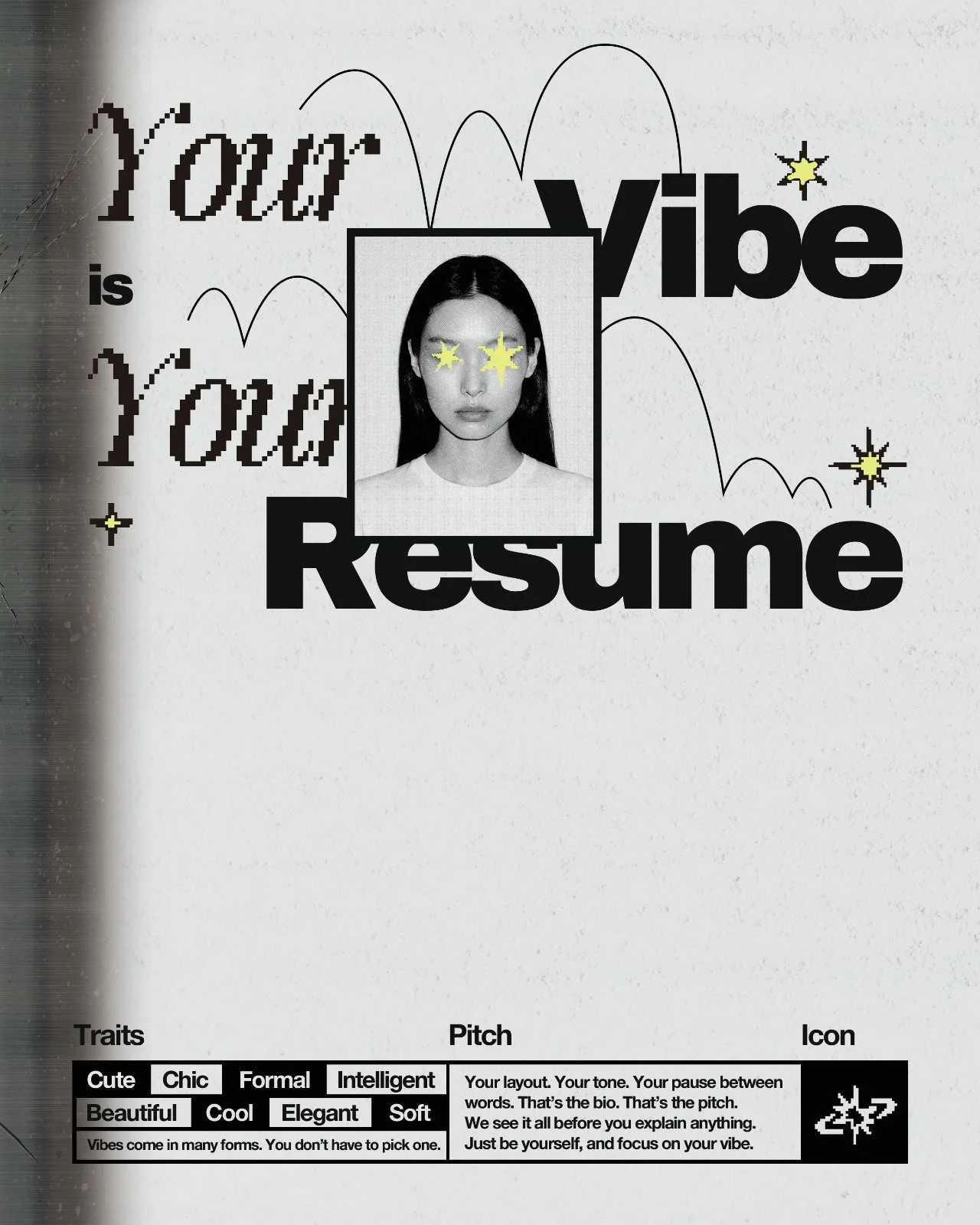
© Saerom, Posters, 2026. Courtesy of the artist, Saerom Yoo
